Seeking-out the #truth is searching for the facts (vs. blindly submitting to “the feels”).
For example, we don’t walk across the street without looking both ways. Even if we don’t feel like it. Apathy in that moment would be irresponsible and reckless.
Our lives literally depend upon choosing to investigate what is objectively true — is there #evidence that a car is coming? Or, is it true that the road is verifiably safe for crossing?
Truth corresponds to what is real. Our opinions (subjective) can’t change it, nor erase it. We need to make sure we understand the importance of this fact.
As documented by one of his disciples (John 14:6), Jesus asserted that He was/is “The truth, the way and the life.” He didn’t say that he was one experience or preference of reality…He stated that He was “THE truth.”
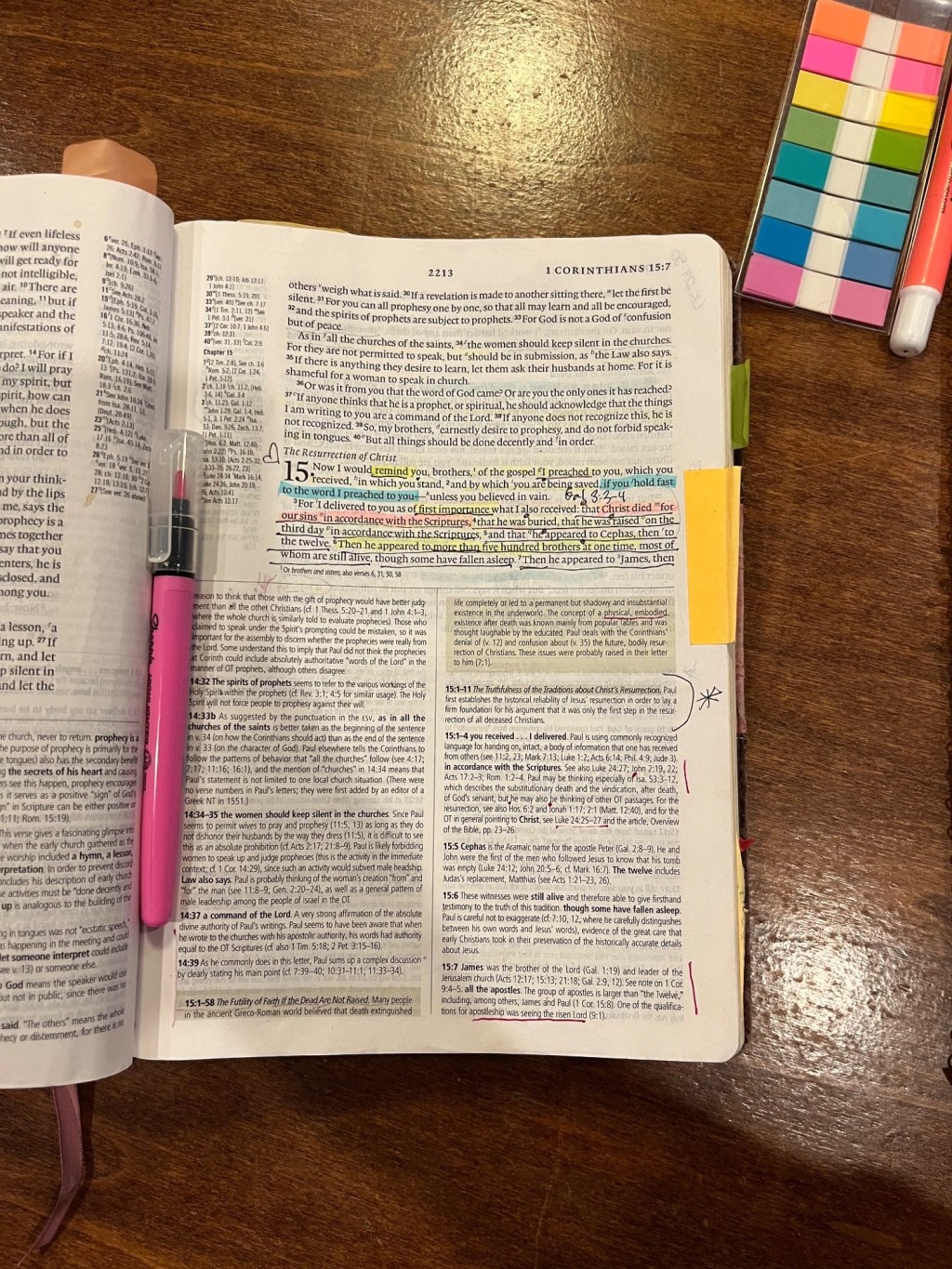
Therefore, if #Jesus rose bodily from the dead in AD 30 or 33 (validating his claims to be the promised Messiah), evidence would exist to support His claim. Why wouldn’t we look into this event more intently?
Checking-out the veracity of Jesus’s resurrection should be a priority for all of us! If it did not happen— Jesus’s claims were false. If it did happen— Jesus’s claims matter immensely! Ignoring this #reality would be reckless!
“The central claim of Christianity is a stubborn historical fact, which was open to empirical investigation and knowable by ordinary means of historical verification.”
— Nancy Pearcey; Finding Truth, p. 35
 Hold Fast Apologetics